- Candid Conversations
- Posts
- Candid Conversations Newsletter: On Relationships
Candid Conversations Newsletter: On Relationships
The paradox of building and maintaining meaningful connections

The Black Dot
October 12, 2025

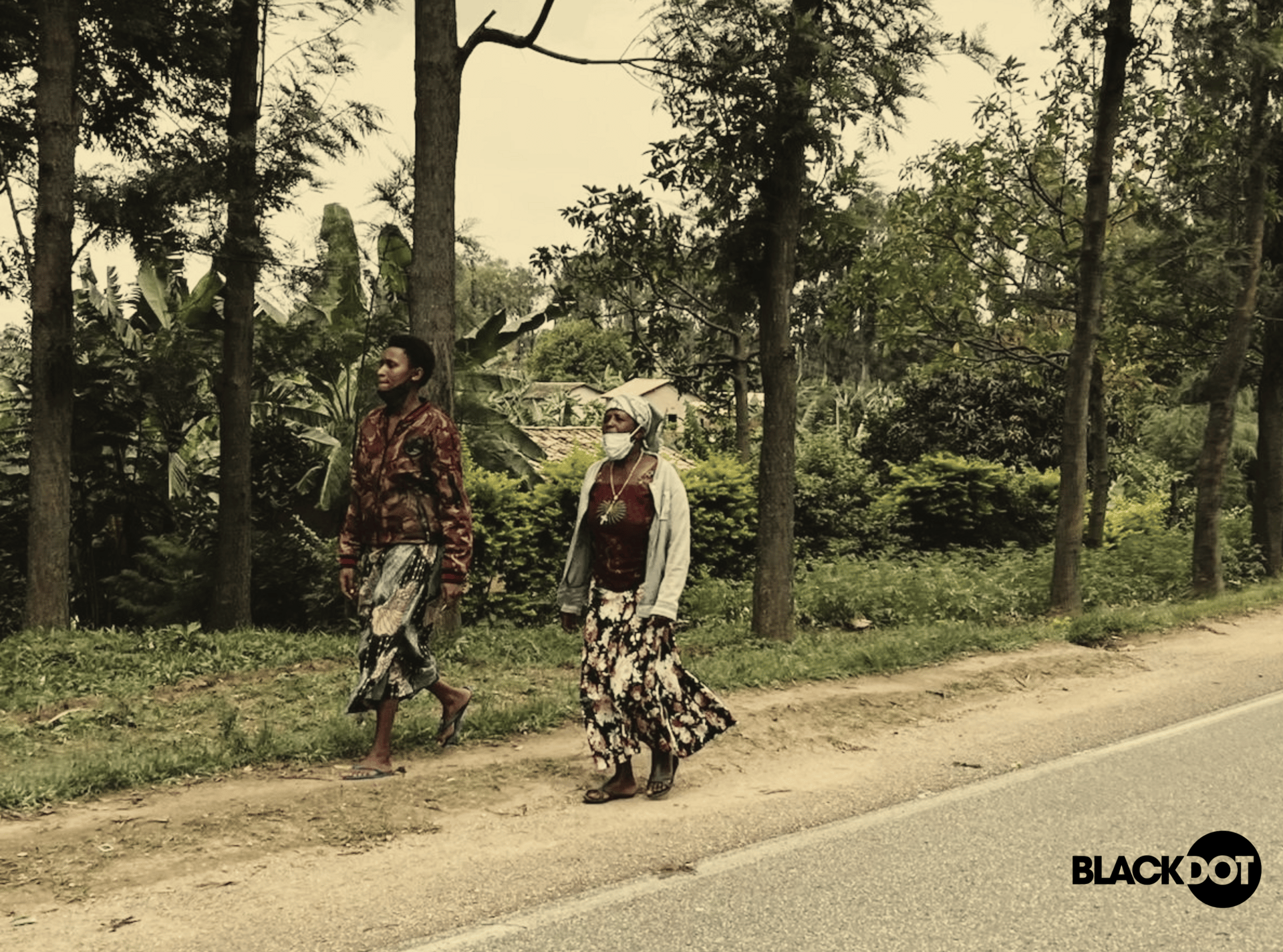
“Two cannot walk together unless they agree.”
Sundays Are for Lovers
A few years ago, on what felt like a typical Sunday, I found myself lounging between two screens.
One was streaming my usual church service. The other was tuned to Oprah’s Super Soul Sunday. Her guest asked a simple yet profound question: Are you happy?
Later that evening, I carried that question with me into a conversation with a few friends over cocktails.
“Yes,” one replied.
“Are you content?” I asked.
He paused before answering, “No.”
His partner responded with calm certainty, “I’m happy and content.”
My then-spouse said softly, “I’m not happy, nor am I content.”
My own answer mirrored my friend’s. I was happy, but not content. That exchange stayed with me. It revealed an unspoken irreconcilable fracture in our relationship.
Things between my then-spouse and me weren’t perfect, but I thought we were moving forward, step by step. Looking back, that night became the slow beginning of the end of our eight-year relationship.
It reminded me of the verse: How can two walk together unless they agree?
For years, I believed love was the answer to everything. I was raised to see it that way, not the way misalignment can quietly erode connection beneath the surface.
That Sunday made me realize something: romanticism, while comforting, often hides the deeper work love requires.
It’s a beautiful notion, especially when it comes with sunsets, picnics, and long walks on the beach. But without perspective, it lacks depth.
I was a different person then, not in essence, but in belief. The hopeless romantic in me assumed everyone wanted the same thing: to love and be loved.
I gave little thought to how we show up in love: to how our unhealed parts, our shame, our guilt, our old wounds shape the way we relate to others.
I hadn’t yet learned that empathy, curiosity, openness, and communication aren’t optional. They’re the tools that make love resilient.
Nor did I understand how our upbringing can keep us stuck in survival mode, looping through cycles of fight or flight, even in relationships that are meant to feel safe.
But how can one feel safe if they’ve never truly known safety?
The Chemistry of Love 🧪
Lately, I’ve been curious about what really happens in our brains when we connect or disconnect.
Honestly. It started strangely enough, with cannabinoid receptors. I wanted to understand how THC, the active compound in cannabis sativa, affects the brain.
That curiosity led me down another path: how our brain’s own chemistry shapes our capacity for connection.
These tiny messengers don’t just govern our moods. They influence how we trust, bond, and feel safe with one another.
Four of them stand out in particular: norepinephrine, dopamine, serotonin, and oxytocin.
Norepinephrine: The Spark of Attention ⚕️
Norepinephrine fuels our focus and energy. It keeps us alert and emotionally engaged, attuned to the tone in a partner’s voice, a shift in body language, or the need for reassurance.
When norepinephrine dips, engagement fades. Conversations lose their spark, attentiveness drifts, and the emotional presence that nurtures connection begins to weaken.
Over time, one or both partners may start to feel unseen or disconnected.
Dopamine: The Chemical of Desire 💊
Dopamine drives motivation and excitement. It’s what makes shared moments feel rewarding.
When we laugh, plan, or dream together, dopamine rewards that closeness, reminding us that connection feels good.
When dopamine levels drop, joy begins to dull. The relationship can start to feel like routine instead of choice.
That’s often when people begin looking outward toward work, distraction, or validation, because the connection no longer provides the same sense of aliveness.
Serotonin: The Anchor of Balance ⚓
Serotonin brings calm and steadiness. It helps us interpret experiences with patience and perspective.
In love, it keeps emotional highs and lows in check.
When serotonin is low, small misunderstandings can spiral into big conflicts. Insecurity creeps in. You start to question your worth or your partner’s affection.
Love starts to feel fragile, as if every disagreement threatens the foundation.
Oxytocin: The Bonding Hormone 🫂
Oxytocin helps love move from idea to embodiment. It’s released during touch, shared laughter, or emotional intimacy.
It builds trust and signals safety.
When oxytocin is low, vulnerability becomes hard. Trust erodes. Even simple affection can start to feel uncomfortable or forced.
Without it, relationships may still function, but they lose their warmth. They stop breathing.
The Chemistry of Connection ⚛️
Together, these neurotransmitters form an invisible thread guiding how we love.
When they’re balanced, connection feels natural. When they’re off, so is our ability to stay close.
The rhythm of a relationship often mirrors our inner chemistry.
But here’s the truth: love isn’t sustained by chemistry alone.
It takes awareness. Unless we’re willing to understand what drives us both emotionally and biologically, we risk becoming a danger to ourselves and the people closest to us.
Humans are already complex. Living in harmony takes guardrails, self-awareness, and compassion.
It also takes self-acceptance, the courage to admit that we’re not all wired the same way.
To love deeply, we have to see the full picture: our biology, our history, and our habits.
Love isn’t just about finding someone who makes us happy. It’s about creating the space where both people can grow, in balance with themselves and with each other.
That, perhaps, is what Sundays are truly for, not just for lovers, but for reflection, recalibration, and the slow work of becoming whole, or learning how to love ourselves.
Easier said than done, huh?
Of course, this only scratches the surface of love and the science behind it.
But maybe it’s enough to make you curious about your own chemistry, your own wiring, and the story of how you love.
I’ll leave you with this simple thought: love is both a feeling and a function; in its maturity, it evolves into a choice, becoming both a story and a system. It begins in the mind, lives in the body, and is sustained in the space between people willing to understand it.
